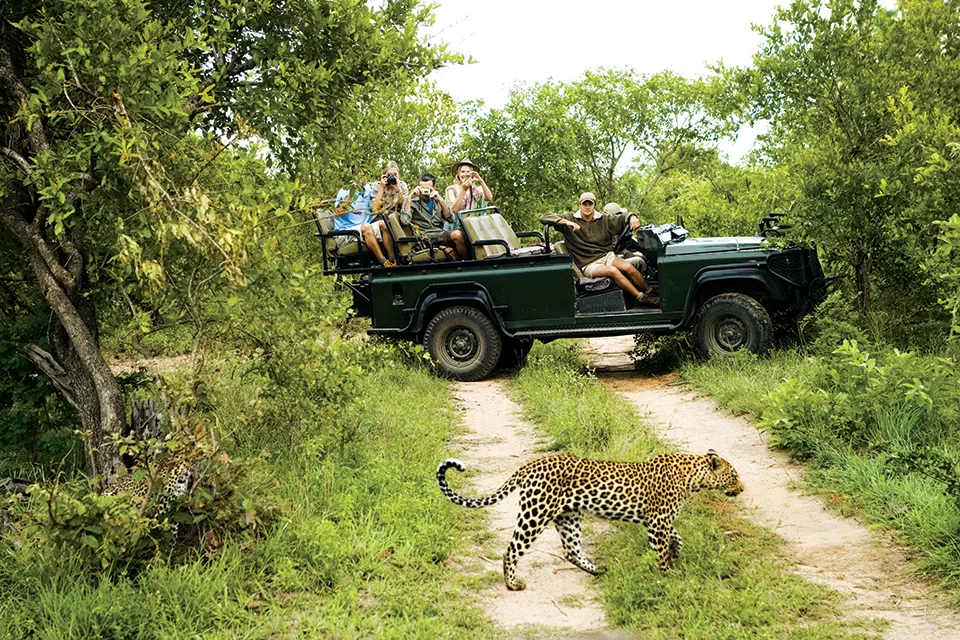
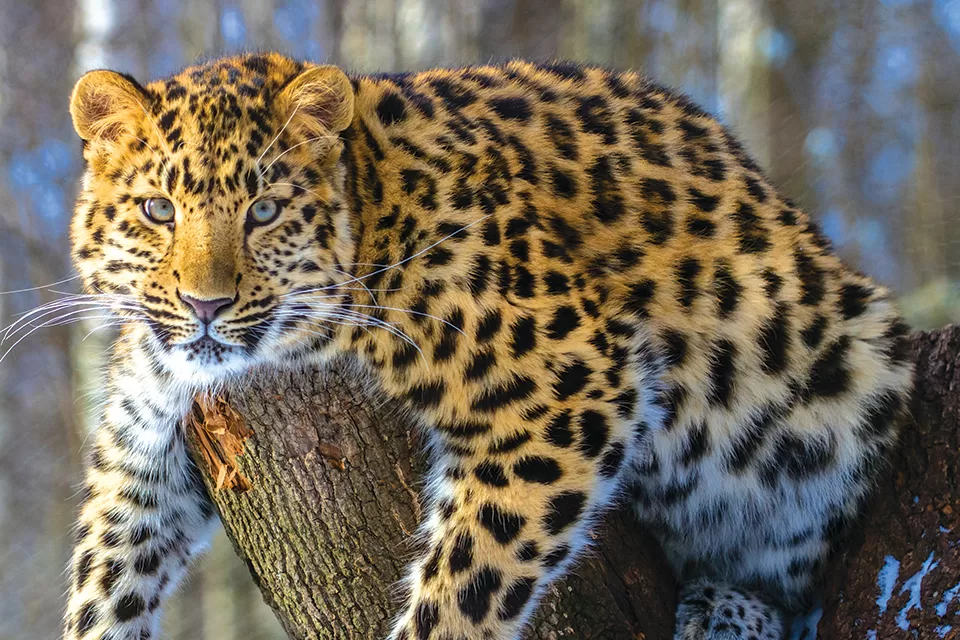
The Amur Leopard is critically endangered and is considered the world’s rarest cat.
New census data reveals Amur Leopards in Russia’s Land of the Leopard National Park now number approximately 100 cats. And, an additional 8-12 leopards were counted in adjacent areas of China. With such a small population left, the loss of each Amur Leopard puts the species at greater risk of extinction.
The Amur-Heilong region covers areas of north eastern China and the Russian Far East. The area consists of the 380-million-acre Amur River, the longest undammed river in the Eastern Hemisphere, which creates a natural border between China and Russia.
Similar to other leopards, the Amur Leopard can run at speeds of up to 37 miles per hour. This incredible animal has been reported to leap more than 19 feet horizontally and up to 10 feet vertically. They live in the wild for ten to fifteen years and have survived in captivity for up to twenty years.They are solitary animals.
The Amur Leopard has no natural predators in the wild although they are poached largely for their beautiful spotted fur. Agriculture and villages surround the forests where the leopards live and are easily accessible.A young Amur Leopard might be vulnerable to bears, wolves or other leopards, but rarely.
Amur Leopards have dark, ringed spots widely spaced on their bodies. These wild cats have paler coats than other species of leopards. The thick coats of Amur Leopards are adapted for cold climates. Fully-grown males weigh between 70 and 105 pounds, whereas females weigh between 55 and 95 pounds. Amur Leopards grow to 5 feet in length. An average litter size is two to three cubs.
Amur Leopards are agile hunters that stalk their prey until it is just a few yards away before striking. The predators eat hares, roe deer and sika deer. After the kill, Amur Leopards hide the carcass so that other carnivores do not take the meat.
Sexual maturity sets in at the age of 2–3 years and their ability to reproduce continues up to 10–15 years of age. The weight of a newborn cub is 1.1–1.5 lbs. The young open their eyes on the 7th – 10th day and begin to crawl on the 12th – 15th day. By the second month, they emerge from their dens and begin to eat meat. Cubs begin to be weaned at three months and taught to hunt. Cubs reach independence at approximately two to three years old. They stay with their mothers until they are around eighteen months to two years in age.
Amur Leopards breed in spring and early summer. The breeding season is in the late winter months, usually around January or February. The gestation period for the mother is 90 – 105 days, so their cubs are usually born from April through June.
In captivity, the situation is also very serious, as interbreeding with animals of unknown heritage has affected a large percentage of the captive breeding pool. Because of this, of the 100 remaining in captivity only 12 are purebreds.
Please support Worldwidelife.org to save these magnificent creatures.
More than 99 percent of all species, amounting to five billion species
that ever lived on earth, are estimated to be extinct.